
Epoxy vs. Polished Concrete: Learn the Differences
So, you’re looking for a new flooring option for your home or business, and you’re stuck between epoxy and polished concrete. Both options have their benefits, but which one is right for you?
You must consider your needs and budget when looking into a new flooring option. Knowing the critical differences between epoxy and polished concrete can help you make the right decision for your space. In this article, we’ll break down the key differences between epoxy and polished concrete so you can make an informed decision for your flooring needs.
What is Epoxy Flooring?
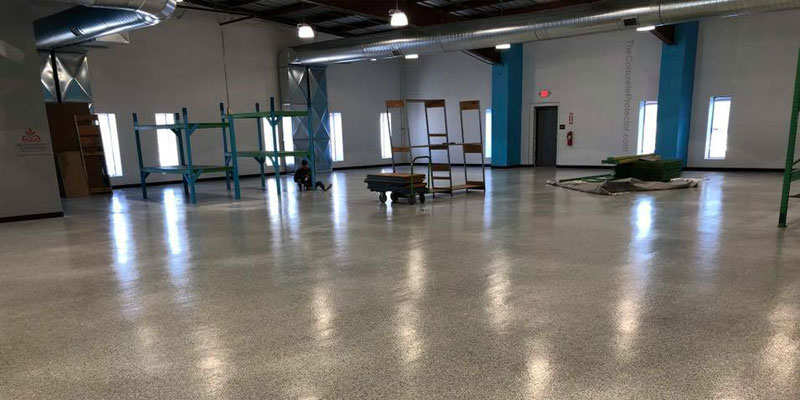
Epoxy flooring is a type of flooring that uses epoxy resin to create a hard, durable surface. Epoxy floors are often used in commercial and industrial settings because of their resistance to wear and tear, chemical spills, and high traffic. It can also be used in residential settings and is becoming increasingly popular for its durability and easy maintenance.
What is Polished Concrete?
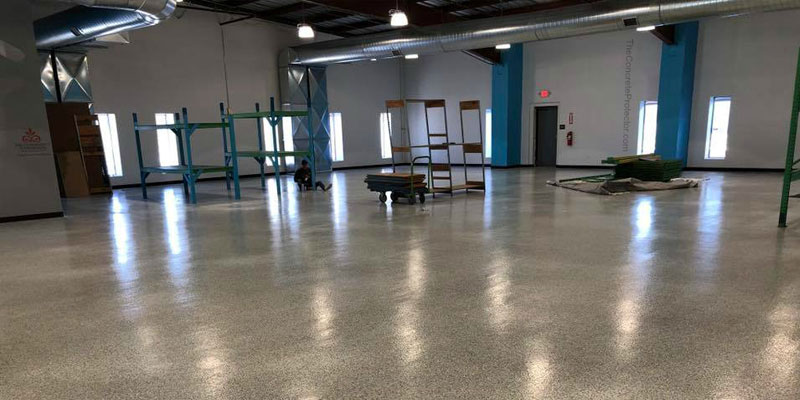
Polished concrete is a type of concrete flooring that is buffed or polished to create a smooth, shiny surface. Polished concrete is often used in commercial and industrial settings because it is incredibly durable and easy to maintain. However, polished concrete can also be used in residential settings and is becoming increasingly popular for its modern look and easy maintenance.
Now that you know the basics of each type of flooring, let’s compare them side-by-side.
Cost
Epoxy floors are typically more expensive than polished concrete floors. The cost of epoxy flooring will vary depending on the size of your space, the type of epoxy used, and the number of coats applied. Generally speaking, epoxy flooring costs between $3 and $12 per square foot.
Polished concrete floors are typically less expensive than epoxy floors. The cost of polished concrete will vary depending on the size of your space and the level of polish desired. Generally speaking, polished concrete floors cost between $2 and $8 per square foot.
Installation
Epoxy flooring is a fairly simple process that can be completed in a few hours:
The surface must be cleaned and repaired of any cracks or holes.
A primer coat is applied to the surface, followed by the epoxy resin. Once the epoxy has cured, it will need to be sanded smooth.
Apply a top coat for protection.
The entire process usually takes about 24 hours and can be done by a professional or as a DIY project.
Polished concrete floors are also a relatively simple process that can be completed in a few hours:
The surface must be cleaned and repaired of any cracks or holes.
A bonding agent is applied to the surface to help the polishing process.
The concrete is polished using a variety of methods and machines.
The entire process is fast and usually takes about 4 hours for residential properties but can take longer for commercial applications. Once the floor is polished, it will need to be sealed for protection.
Maintenance
Epoxy floors are straightforward to maintain and only require regular sweeping and mopping. If something is spilled on the floor, it can be easily cleaned up with soap and water. Epoxy floors are also resistant to staining, making them ideal for areas with a lot of traffic or spills. When looking into epoxy, remember that it can yellow over time from UV exposure, so it’s important to seal it with a UV-resistant top coat.
Polished concrete floors are also very easy to maintain and only require regular sweeping and mopping. Spills can be easily cleaned with soap and water, but polished concrete stains more than epoxy. Polished concrete floors are also resistant to moisture, making them ideal for areas with a lot of traffic or spills. Polished concrete can also be sealed for additional protection.
Durability
Epoxy floors are highly durable and can last many years with proper care. They are resistant to wear and tear, chemical spills, and high traffic. Epoxy floors are also easy to repair if they become damaged, and the entire floor can be refinished if necessary. Durability is one of the main reasons why epoxy flooring is so prevalent in commercial and industrial settings.
Polished concrete floors are also highly durable and can last for many years with proper care. They are resistant to most chemicals, high traffic, and wear and tear. When it comes to concrete, the only real downside is that it can crack over time. However, cracks in polished concrete can often be repaired relatively easily.
When looking at the key differences between epoxy and polished concrete, it’s easy to see why each type of flooring is so popular. Epoxy floors are more expensive but offer a more comprehensive range of benefits, while polished concrete floors are less costly but still offer many advantages. Ultimately, the best type of flooring for your home or business will depend on your specific needs and budget. There are multiple price points with both options, starting from around $2 per foot to upwards of $15, making each a very versatile material.
Commercial Epoxy Flooring Solutions: Cost-Effective & Heavy-Duty Finishes for Industrial & Retail Spaces
High-Performance Epoxy Flooring for Commercial Environments In commercial and industrial settings, flooring is not just a surface—it’s a workhorse. It must endure high foot traffic, resist impact from equipment, fend off chemical spills, and still look sharp for...
Comprehensive Pool Deck Resurfacing Cost Guide & Contractor Services
Understanding Pool Deck Resurfacing Costs & Options A weathered, cracked, or faded pool deck doesn’t just diminish the beauty of your outdoor space—it can also pose safety risks and reduce your property value. Fortunately, resurfacing offers a cost-effective...
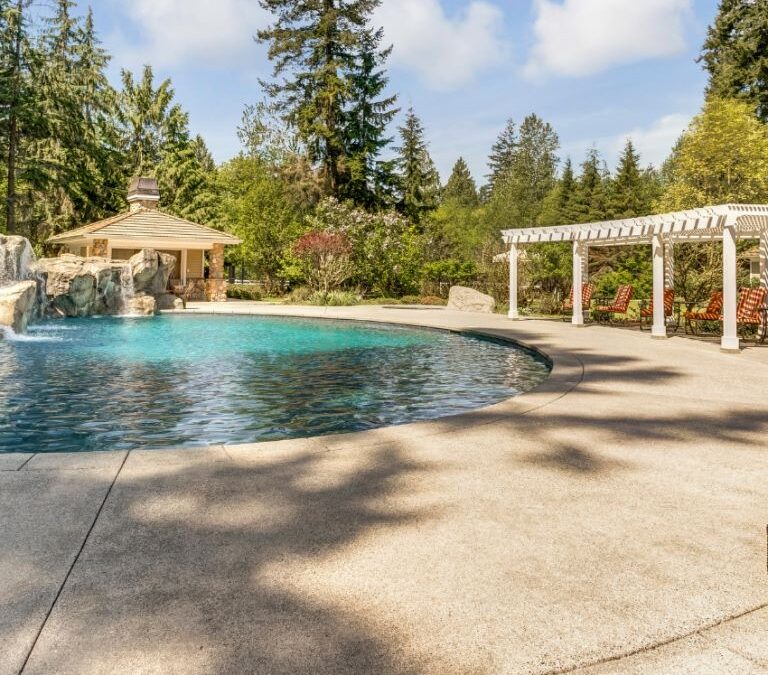
Affordable Pool Deck Resurfacing Solutions: Concrete & Decorative Options for a Fresh New Look
Reimagine Your Outdoor Space with Pool Deck Resurfacing A tired, cracked, or discolored pool deck can detract from the beauty and safety of your backyard. Fortunately, pool deck resurfacing offers a transformative solution without the high cost of demolition or...
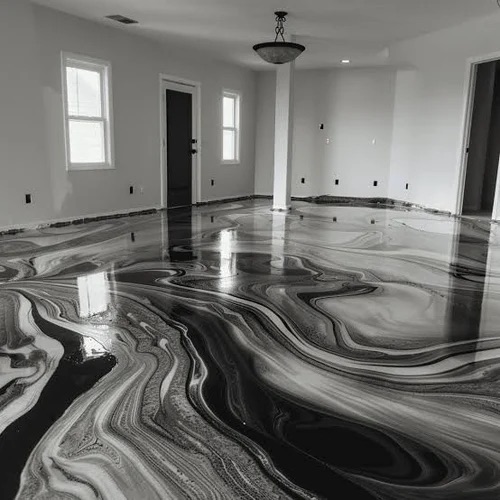
Colored Metallic Epoxy Floors: Stylish Shades for Every Interior & Garage
Reinvent Your Floors with Bold & Beautiful Colored Metallic Epoxy Metallic epoxy flooring has quickly become the go-to solution for those who demand style, strength, and sophistication from their surfaces. Now, with a wide range of color options—like glossy black,...
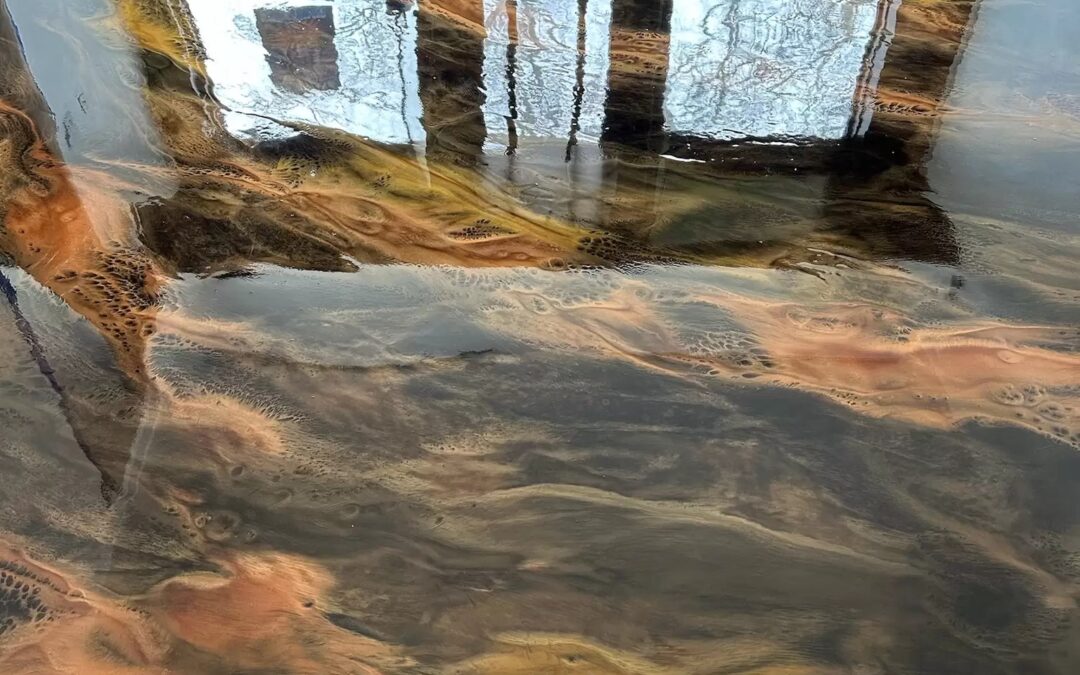
Metallic Epoxy Floors: Durable, Glossy & Unique Flooring for Homes and Businesses
Bring Artistry to Your Floors with Metallic Epoxy Metallic epoxy flooring combines durability with high-end aesthetics, creating floors that look like molten metal, swirling clouds, or deep water reflections. These floors are more than just a surface—they’re an...